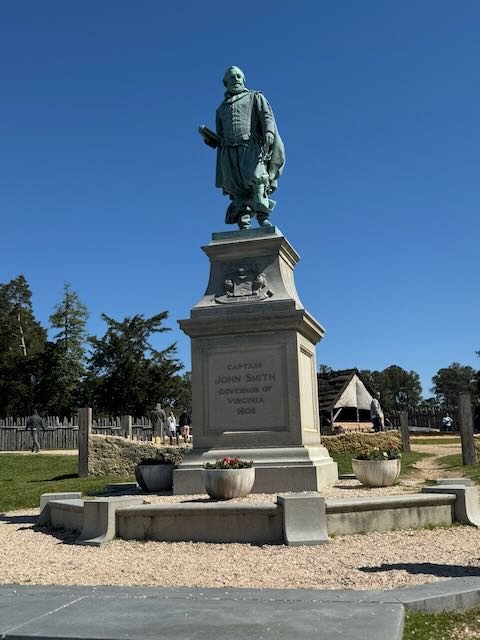
Being a New Englander of a certain age means that you have been well-schooled in the Puritanical story of the first years at the Plymouth Colony – cold, miserable, and governed by harsh rules. On this leg of the trip, we wanted the kids to experience what colonial life was like in the mid-Atlantic – hot, miserable, and governed by harsh rules (Harsh? Yes, but we can all learn a thing or two from Jamestown’s own Captain John Smith, with his part explorer, part strict dad energy—who laid down some tough rules for the settlers: “He that will not work shall not eat.” I like it.). While Plymouth was built on belief and freedom from religious persecution, Jamestown was built on ambition and capitalism.
You may notice a pattern as you read these blog entries. Only three of us take early-morning adventures, while three of us prefer to sleep in. We don’t force family fun before noon – that family fun is optional. So, if you haven’t already guessed, Marlie, Rob and I set out for Jamestown (add the “e” at the end if you prefer the spelling from “ye olde times”). Our America the Beautiful Pass got us onto the part of the settlement owned by the National Park Service and we paid a little extra to be able to enter the original archeological site and museum – well worth it! Nearby, there is a re-creation of the original fort called Jamestown Settlement – this is where every child enrolled in Virginia Public Schools was on a field trip this week. All of them.
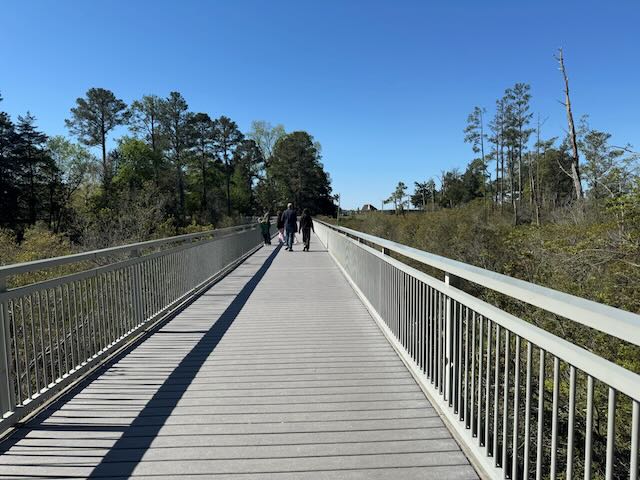
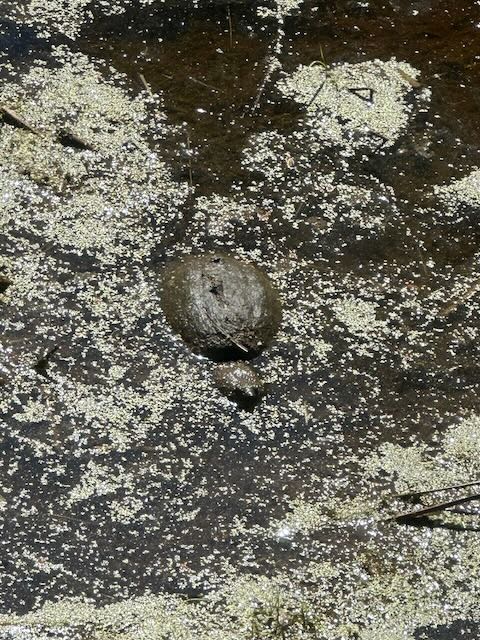
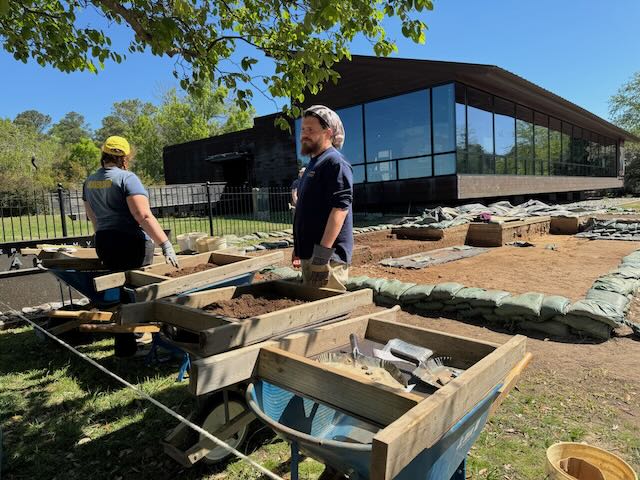
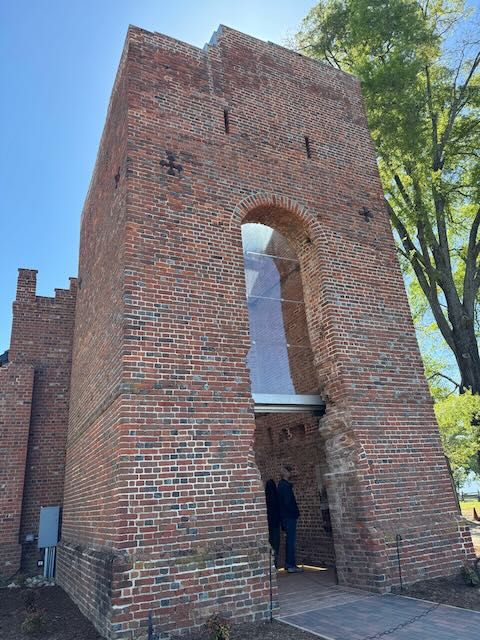
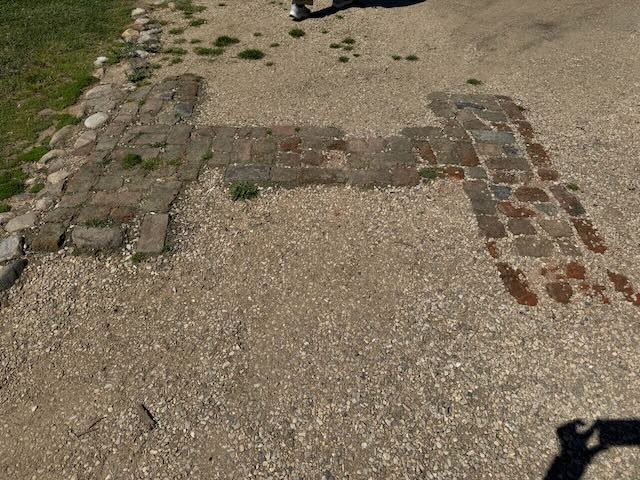
We crossed a wooden bridge over a turtle-filled buzzing swamp toward the banks of the James River, the location of the original Jamestown fort. Since the original structures were made primarily of wood, they are no longer there, but the brick and stone foundations are visible and The Jamestown Rediscovery Foundation actively works to preserve, re-create, and dig up artifacts from the original colony. It is an active dig-site, and we observed a team of archaeologists sifting through wheelbarrows of dirt to find the remnants of the colony from over 400 years ago. Additionally, a carpenter was re-creating some of the wooden palisades by using an ax to remove the bark from logs.
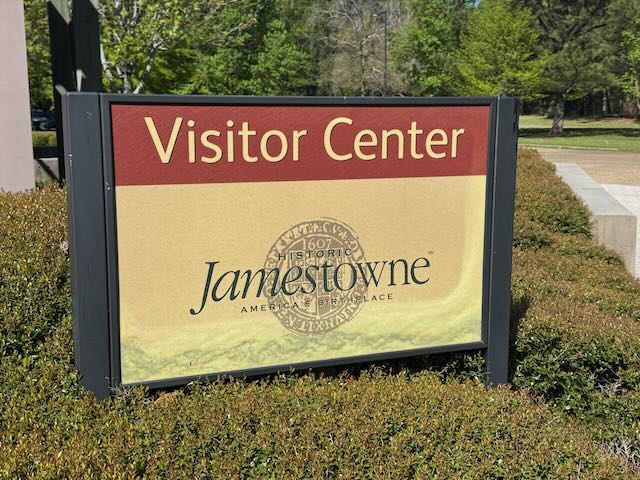



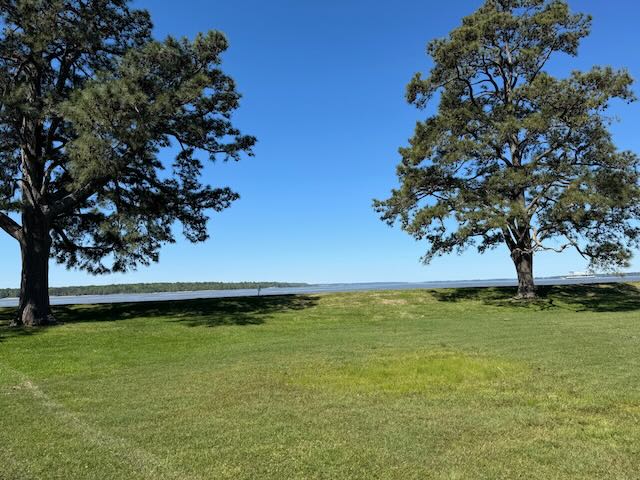
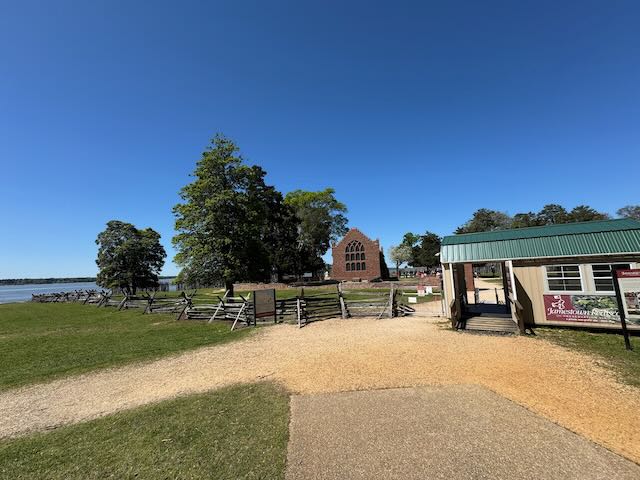
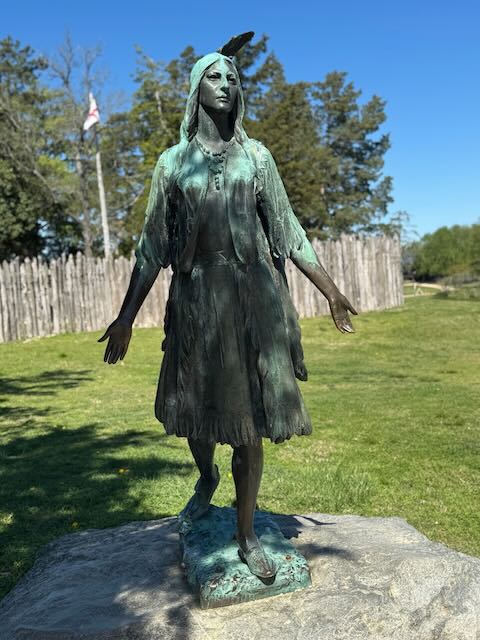
We walked the same ground where early settlers tried (and nearly failed) to start a new life. Jamestown was gritty, messy, and full of drama—the original Survivor, 1607 edition. 104 of 105 passengers (all men and boys) survived the passage on three ships. (Most of the 39 crew members returned to England on two of the ships.) Picture this: three boatfuls of “gentlemen” with no farming experience show up hoping to strike it rich, plant zero crops, and find themselves in a swamp full of mosquitoes and mystery illnesses. Let’s just say their survival plan was… optimistic. And relationships with the local Powhatan people were complicated. Yes, there is a statue of Pocahontas, favorite daughter of Chief Powhatan, on the Jamestown site. Her story is not the romantic Disney version, but rather ends in tragedy with her death from respiratory illness at age 21.
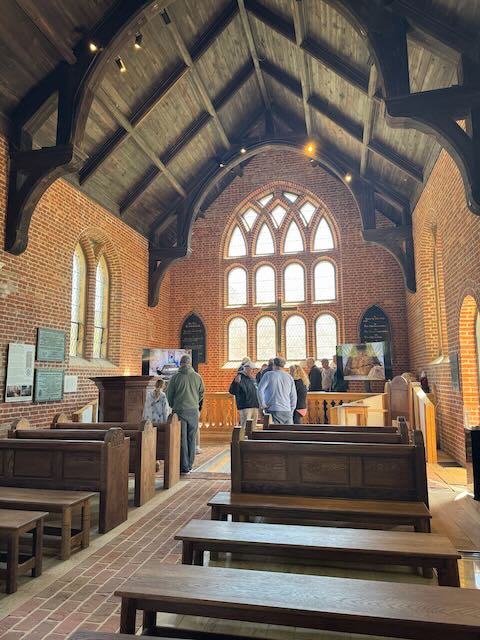

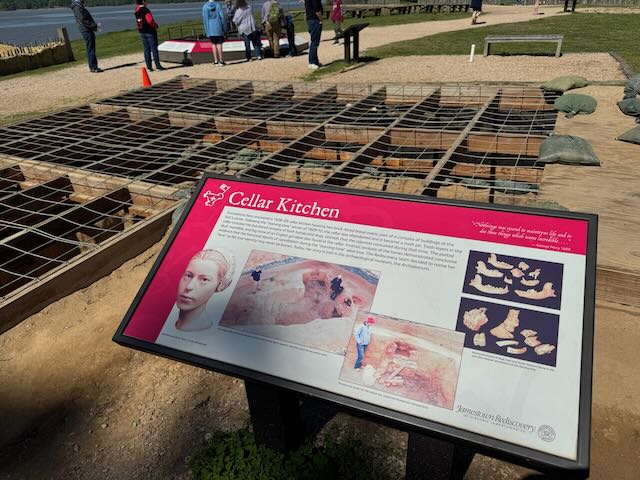
Jamestown eventually found its footing thanks to tobacco farming and a little stubbornness, but not before some very lean years, including the “Starving Time” during the winter of 1609-1610 where settlers (now including a few women) resorted to eating rats, snakes, shoe leather and people. Yup. Cannibalism happened at Jamestown. Forensic evidence revealed human remains with post-mortem injuries consistent with butchery. In summary, the first few years were brutal. I’m actually not sure how anyone made it.
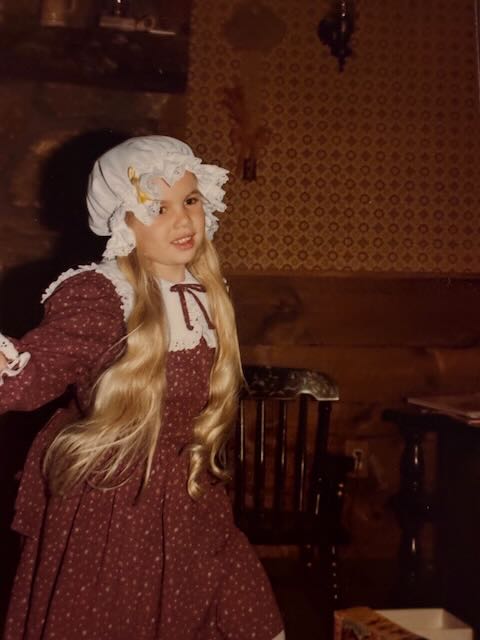
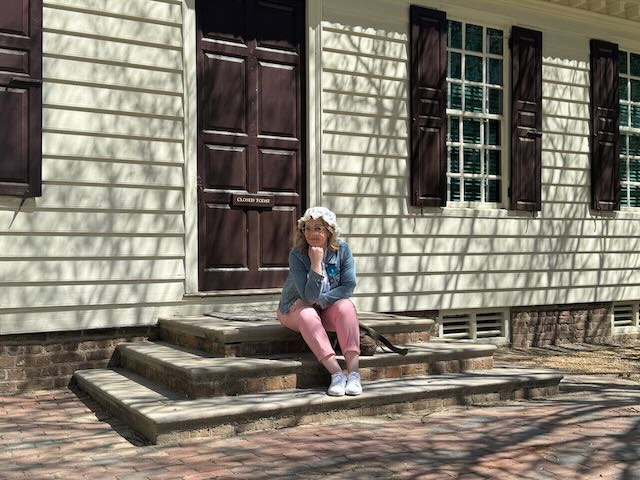
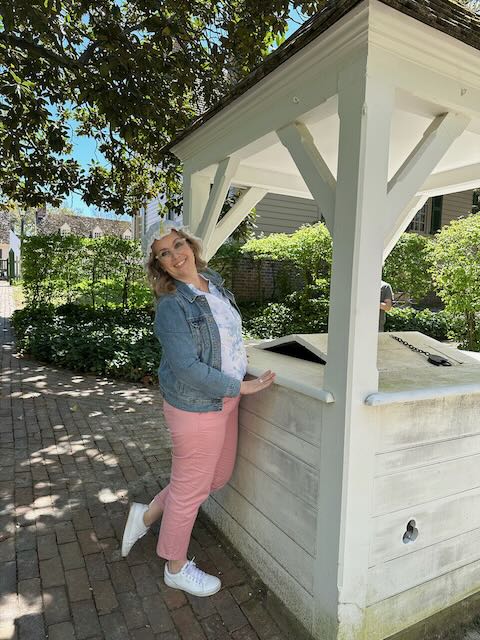
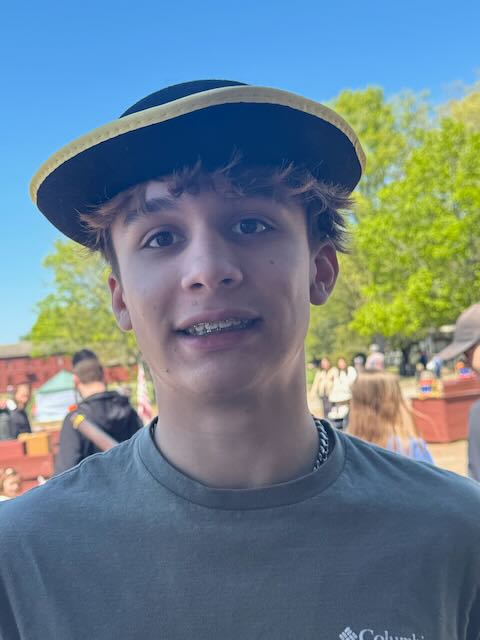
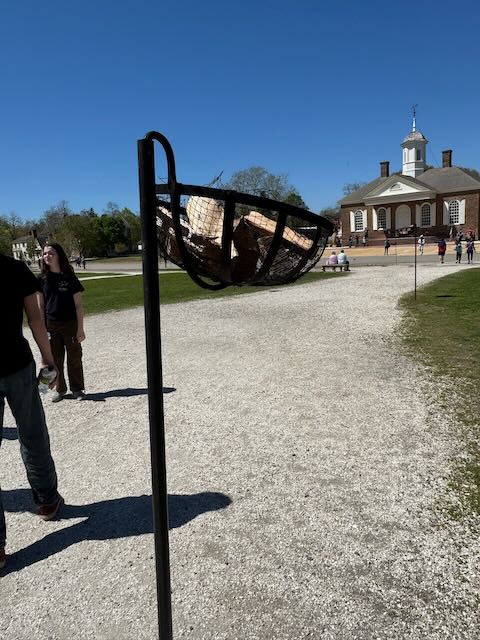
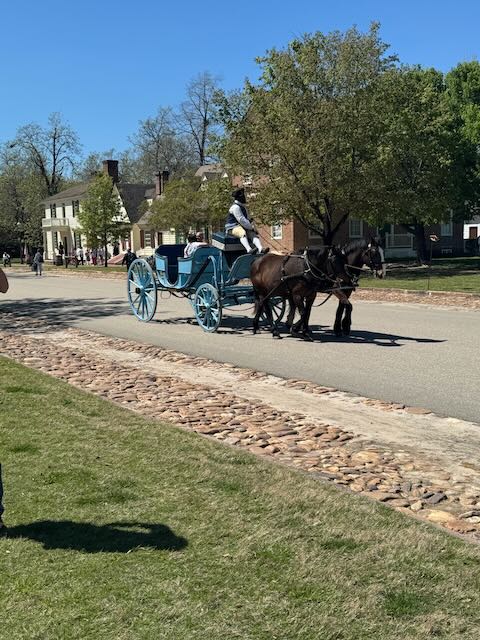
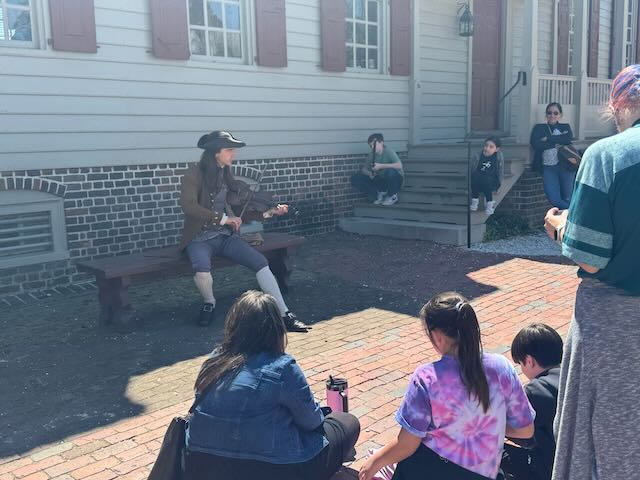
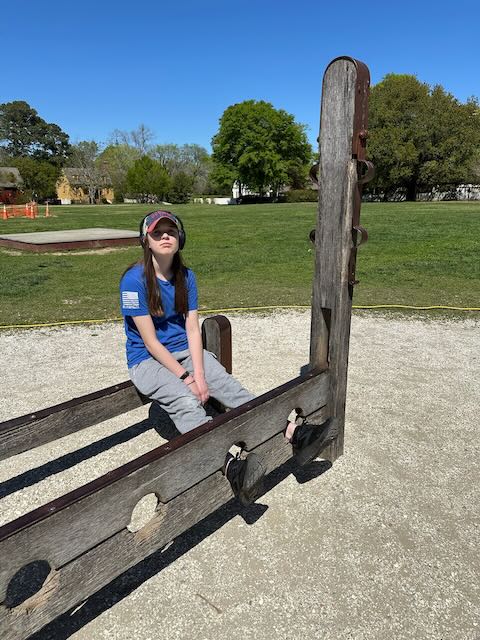
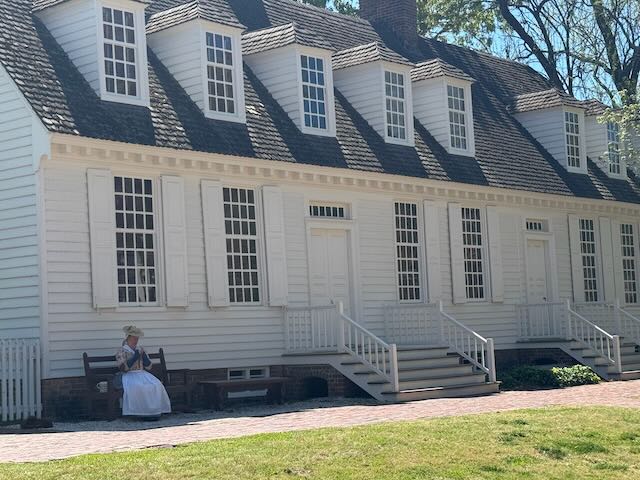
After scooping up the rest of the crew back at the campground, we headed into Colonial Williamsburg. We took a raincheck on the visitor’s center and decided to meander around the area without a formal ticket, taking our chances with sightseeing on our own. Colonial Williamsburg takes you back in time, and surely, life was not easy for people in the colonial period, it could not have been nearly as miserable as Jamestown. Brick buildings, stores, churches, craftsmen, and carriages give it a more modern and relatable feeling. I have only been to Williamsburg once before, when I was seven and I don’t remember much. What I do remember was how hot it was and that my brother and I both got colonial hats – I got a white bonnet with a tiny yellow bow and my brother got a black tri-cornered hat that he promptly lost when we stuck his head out of the window of our brown Subaru hatchback about 15 minutes after it was purchased. I still have my bonnet. Please enjoy these side-by-side, now -and-then photos of said bonnet below.
From 1699 until 1780, Williamsburg was the capital of the American colonies. It was a hub for political thought, especially in the lead-up to the Revolution. People believed that the government should reflect the will of (some of) the people (wealthy, land-owning white men). Interestingly, the Revolutionary War left Williamsburg relatively unscathed and it saw much more action during the American Civil War, when many of its buildings were used as hospitals for wounded soldiers. Church was a major part of community life. Morality, order, and personal virtue were considered essential for a good citizen and those not living this life were publicly castigated. (Nothing like a good dose of shame to round out the early American experience.) Freedom and liberty were woven into much of the conversations of the day. However, alongside all the talk of freedom and revolution, exists a harder truth: much of Williamsburg’s economic success was built on slavery. The stories and voices of enslaved people are vital to understanding the history of our nation and the contradictions in our society that still exist today. Williamsburg gives voice to the experiences of the enslaved people that lived and worked there so that their stories are not forgotten in time.



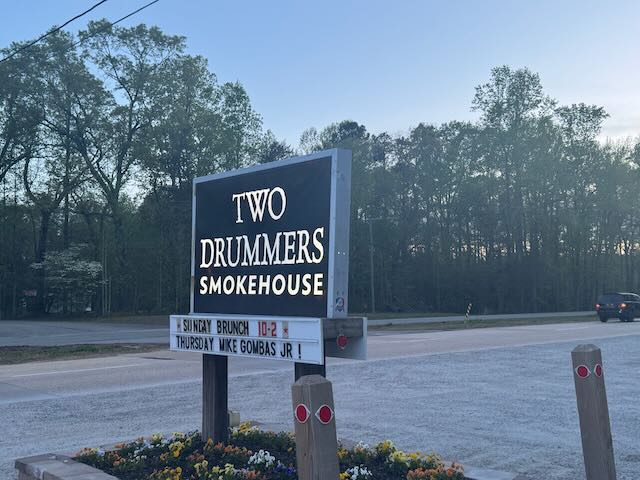
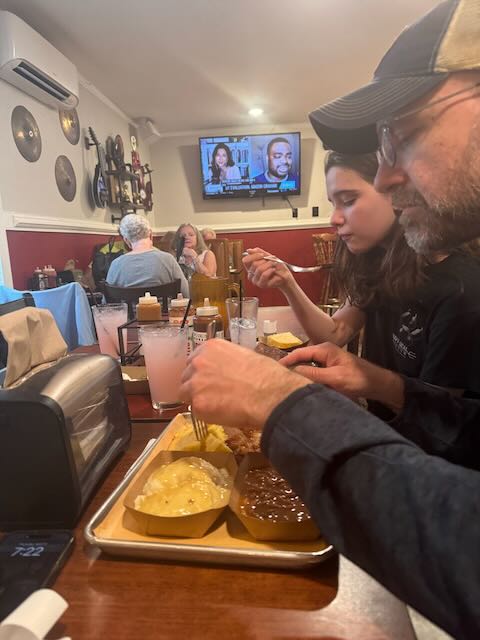
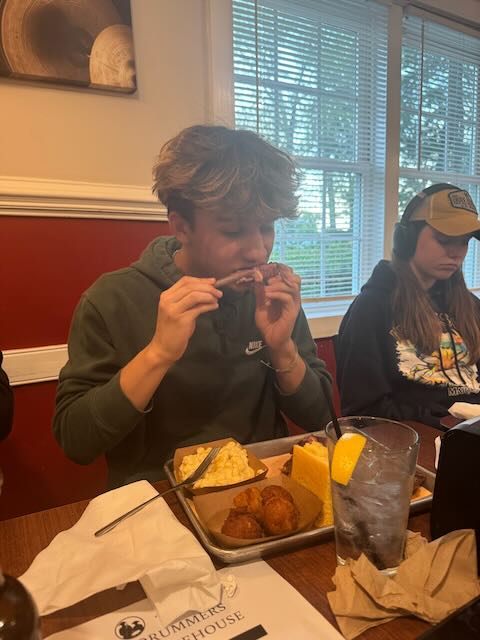
You certainly work up an appetite traveling back to “days of yore.” We all enjoyed a delicious barbecue dinner at Two Drummers Smokehouse in nearby Toano. Eating at a local restaurant is always on our list of “must dos” when we visit a new area. Our waitress placed trays heaped with smokey meats and sides in front of us and we dug in – fueling up for our “Williamsburg After Dark” adventure, a ghost tour right in the heart of Colonial Williamsburg. No one was more excited for barbecue than Kai.
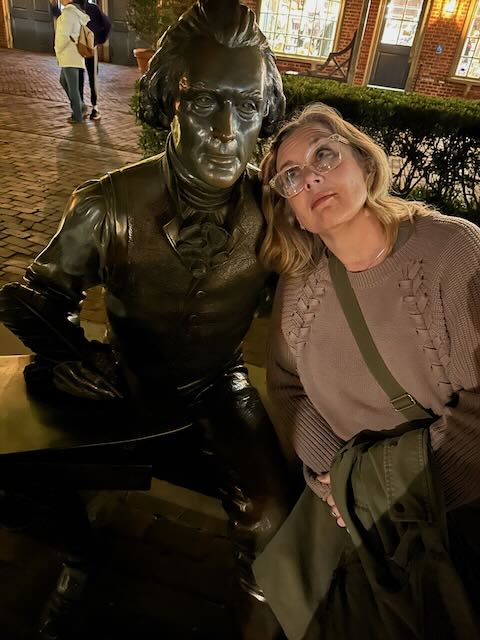
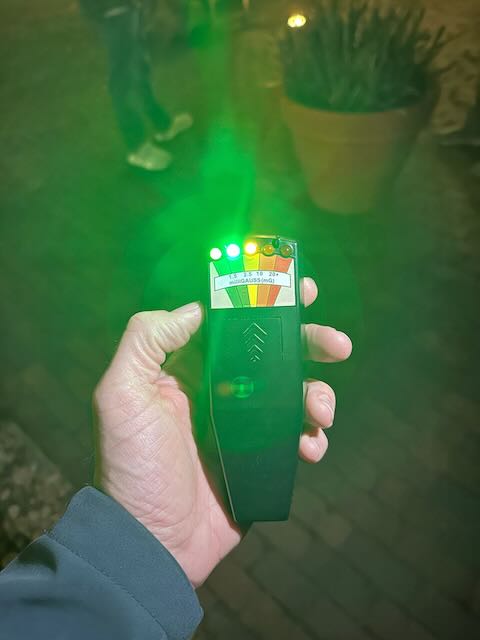
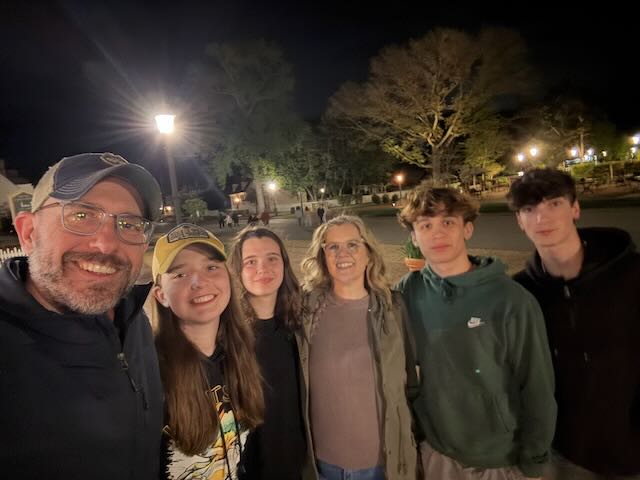
Like any historical location, Williamsburg is alive with stories of hauntings and spirits. We booked a 9:00 PM tour with Colonial Ghosts, meeting our guide and our group at the Thomas Jefferson Statue in Merchant Square. Tom, a third year law student at The College of William & Mary (right there, smack dab in the middle of Colonial Williamsburg) guided us to half a dozen locations, each with their own fantastical stories. Rob had rented an Electromagnetic Frequency Detector (EMF) and the kids all took turns testing it out at the various locations.
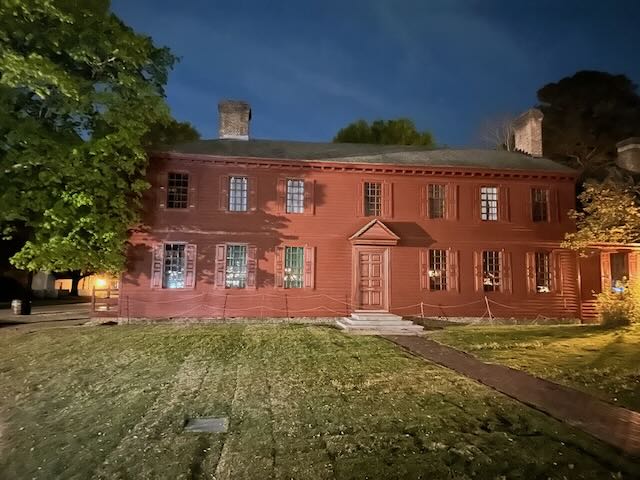
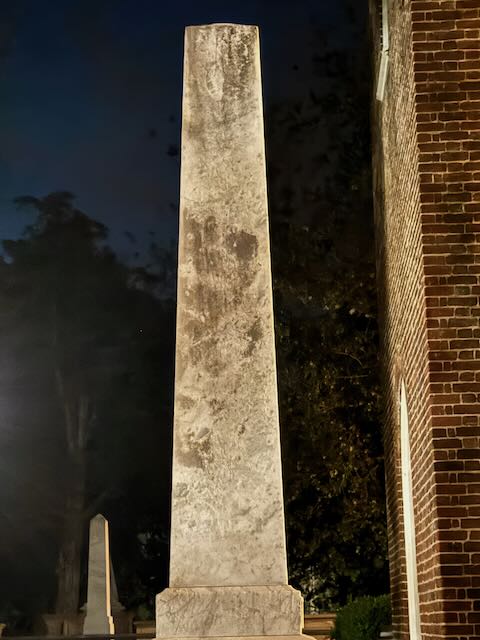
We learned about so many Williamsburg residents, from the colonial period and beyond. We heard the story of Thomas Moore, local lothario, whose lover’s husband killed him and whose spirit now haunts young women working in local businesses near where his home stood in the 1860s (now the site of a lululemon!). The ghost of both wives of Reverend Scervant Jones of Bruton Parish can be heard arguing near the church at night and if you look carefully at the lightning-struck obelisk marking the grave of a man and his favorite dog, you can see the image of their ghostly faces. There are tales of Civil War amputees, treated at several of the makeshift hospitals by the notorious doctor known as Head Devil, digging on the grounds searching for their lost limbs. Since its construction in 1715, thirty people have died in Randolph house, famously one of the most haunted homes in America. Sadly, two young children fell from the upper left window years apart and lore has it that a silhouette can sometimes be seen against the window. Would you believe that during a housing shortage at William & Mary in the 1960s, students were housed in one of the rooms in the house? They didn’t even make it through the night before feeling icy hands tug on their legs while they slept! In the Wythe house, one of the stateliest homes near the Governor’s Palace, guest Lady Skipwith’s ghost haunts the residence looking for her lost red high-heeled shoe. Are the stories true? I’ll leave it to you to decide, but I wouldn’t spend the night in one of these old homes for all Yankee Doodle dollars!

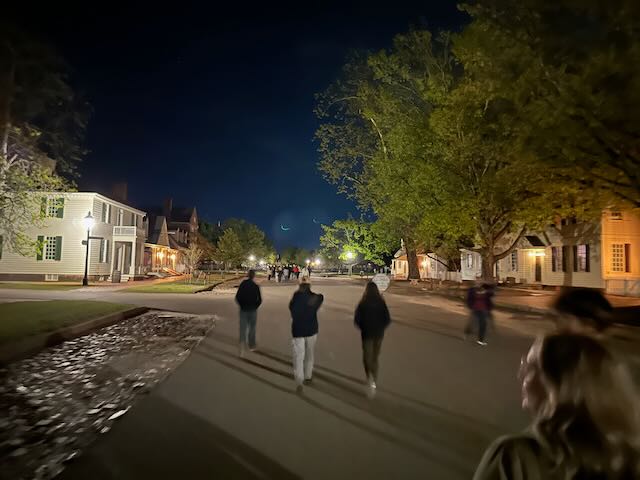

A fun, but non-ghost related fact about Colonial Williamsburg is that most of what we see in the historical district is not original. In fact, when the State capital was moved from Williamsburg to Richmond in 1780, it became a quieter rural and college town. In the 1920s, John D. Rockefeller, Jr. funded the restoration of Williamsburg to its 18th century appearance. Many of the buildings that had been demolished were reconstructed according to the original building plans and it became the living museum it is today.
So, what did we learn from this day steeped in Colonial American history?
- None of our crew would have survived in Jamestown – heck half of us wouldn’t have even been invited on the first trip! Also, we are all much too tall to have lived back then.
- When anyone complains about being hungry, I will remind them of the “Starving Time.”
- I am able to remember a surprising amount of lyrics from Disney’s Pocahontas.
- Ghost tours are 40% history and 60% jump scares by the people in your group.
- There is a limit to the amount of barbecue Kai can eat. He reached it today.
- I still look cute as a Colonial American.
It’s a travel day tomorrow. We will be battling that Easter holiday traffic all the way back to Connecticut. The good news is, we will be traveling paved roads and in the comfort of our trusty RV, Kevin. And when the kids complain about the length of the trip, I will remind them that they could be traveling over cobblestones in a horse drawn carriage and playing stick and hoop while eating a big bowl of shoe leather soup.

 Wandering, But Not Lost